

Download PitchBook’s Report here.
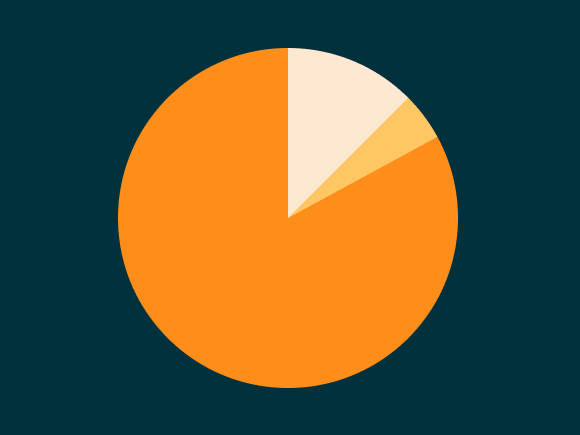
It’s getting repetitive, but the buy-and-build strategy is becoming the dominant approach for private equity. According to PitchBook’s latest US Breakdown Report, add-ons are comprising 73.2% of all buyouts this year. In 2007-2008, at the height of the buyout boom, the percentage was hovering around 50%. The strategy has been around for many years—and we’ve been talking about it for many years—but 73% is a very high number. Eventually it will have to plateau, but not yet.
In an under-noticed letter, FTC commissioner Rohit Chopra put the buy-and-build playbook on notice last year. “While each individual acquisition may not trigger HSR reporting, the sheer number of follow-on acquisitions can be staggering.” He cited the case of AssuredPartners, an insurance platform that has gained some notoriety in PE circles. Under GTCR sponsorship, AssuredPartners made 112 add-ons before it was sold to Apex Partners, which sponsored another 124 add-ons, before Apex sold it back to GTCR in 2019. It’s a lot of add-ons. Confie Seguros underwent a similar number of add-ons, on its way to becoming the country’s first national insurance broker focused on Hispanic consumers. The Confie example wasn’t included in the FTC letter, but this line was: “The Commission should actively identify enforcement targets who may be engaged in monopolization or who have consummated unlawful mergers.” Confie’s case might have been exempt, considering there wasn’t a Hispanic-focused market to monopolize before Confie was built. In any event, the buy-and-build phenomenon has grown so big that federal regulators are noticing. At the time of the letter, the ratio of add-ons to buyouts was 68%.
(Past performance is no guarantee of future results.)





Latest news

Multiples on PE buyouts
This quarter marks our integration of SPI by StepStone as the primary source for US buyout valuation metrics for the PE Breakdown.
US Leveraged Loan Issuance Slows to $76.5b in July
The US leveraged loan market has continued to slow from the May level of $104.7b, with approximately $76.5b priced in…