


Private Debt Intelligence – 9/30/2019

Private Debt Investors’ Attitude Towards ESG
Chart

Download Data
[wpdm_package id=’28712′]
The discussion around environmental, social and governance (ESG) within alternative assets has never been so lively as it is now. Investors are conscious of the importance of ESG investing and they are carefully looking for funds to ensure they meet the requirements in this area. At the same time, fund managers are incorporating ESG factors to their investments to adapt to the new market trend and make sure they keep attracting investors.
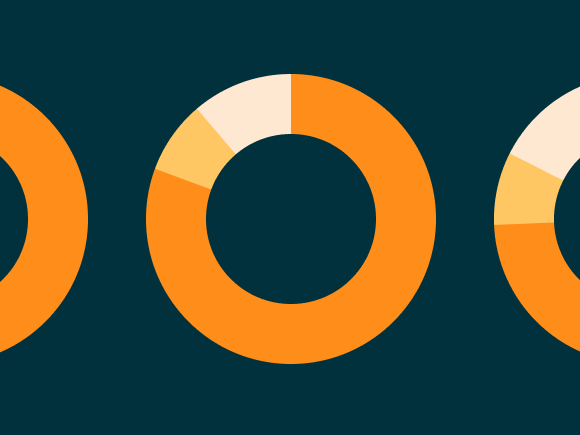
Based on the Preqin Investor Update H2 2019 report, it is evident that ESG policies have a significant influence on investors’ decision-making. Of 177 institutional investors surveyed, 48% have at some point decided not to invest in a fund due to ESG factors – eight percent of them expressed this is something that happened frequently. But turning into an ESG program has not been implemented equally by all asset classes investors.
In June 2018, Preqin conducted a survey among fund managers and investors for its Future for Alternatives report. In it, 76% of private debt investors believed that ESG will become more important over the next five years; something that would make them more favourable to implement an ESG program. But, as we can see in the Investor Update H2 2019, across alternative assets, private debt investors would be more reticent to uptake an ESG program for their investments. Only 23% of investors surveyed would have an ESG policy in place and just an eight percent of the ones that don’t have an ESG policy would be planning to implement one within the next 12 months.
What exactly those policies should include is a point of contention. The industry is lacking data to back up how important it is for investors to follow an ESG policy, or the impact ESG can have on returns and these may be some of the reasons why private debt investors are quieter when it comes to ESG.
Contact: Maria Zapata
maria.zapata@preqin.com





Latest news

Rate hike expectations ease as term SOFR curve flattens
The CME six-month Term SOFR rate reached a recent high of 3.979% on July 28 before retreating to 3.837% as…
3Q26: New loan assets rise to 44% of total lending, a 3-year high
New loan assets as a proportion of total US loan volume make up 44% of the 3Q26 pipeline to date,…

North American GPs dominant as fundraising accelerates
Our PEI Private Credit 200 ranking also shows capital raising increasing overall – and accelerating especially fast for the largest…