




It’s one way in which private debt is changing as a result of the global health crisis.
With parts of the world seemingly going through a second wave of the coronavirus, it’s difficult to accurately predict how the asset class will develop over the coming years. But some pointers are beginning to emerge from the pandemic, as we discovered when researching our recently published Future of Private Debt report.
One of the trends we identified was refinancings. With so much uncertainty, CLO funds are gathering momentum and securitisation looks set to play a big role in refinancing, says Rolf Caspers, global head of capital markets at Sanne.
“CLO funds have been ramping up slowly for the last few years. Some are in a bit of a tight situation because borrowers are having difficulty repaying or are taking a payment pause. But the product is powerful and fits the time,” says Caspers.
No one can say that a downturn wasn’t predicted in credit markets. But the abrupt arrival of the pandemic looks set to unravel some long-held assumptions. Take the fraught area of covenants. A downturn had been expected to stem the relentless advance of looser lending covenants into private debt markets, where 87 percent of global leveraged loans were cov-lite in 2019, according to S&P Global Market Intelligence.
“We thought this could be the moment when the market takes stock and undergoes a correction on documentation and terms, but it wasn’t,” says Jeremy Duffy, partner at White & Case. “We saw a series of waivers of covenant testing, and the imposition of minimum liquidity covenants and attaching terms including increased reporting obligations. Importantly, we did not see covenant-lite fundamentally altered.”
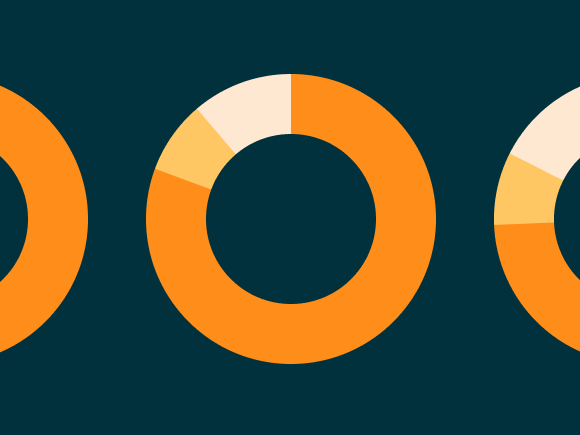
But despite cov-lite potentially holding back the wave, many think a new period of restructuring is lurking around the corner. Indeed, it could be larger than that seen in the wake of the global financial crisis given the increased proportion of sub-investment grade debt in the system (see chart above).





Latest news

Rate hike expectations ease as term SOFR curve flattens
The CME six-month Term SOFR rate reached a recent high of 3.979% on July 28 before retreating to 3.837% as…
3Q26: New loan assets rise to 44% of total lending, a 3-year high
New loan assets as a proportion of total US loan volume make up 44% of the 3Q26 pipeline to date,…

North American GPs dominant as fundraising accelerates
Our PEI Private Credit 200 ranking also shows capital raising increasing overall – and accelerating especially fast for the largest…