



Click here to learn more.
Join Fitch for the upcoming Outlook panel: 2026 Leveraged Finance Credit Outlook Webinar
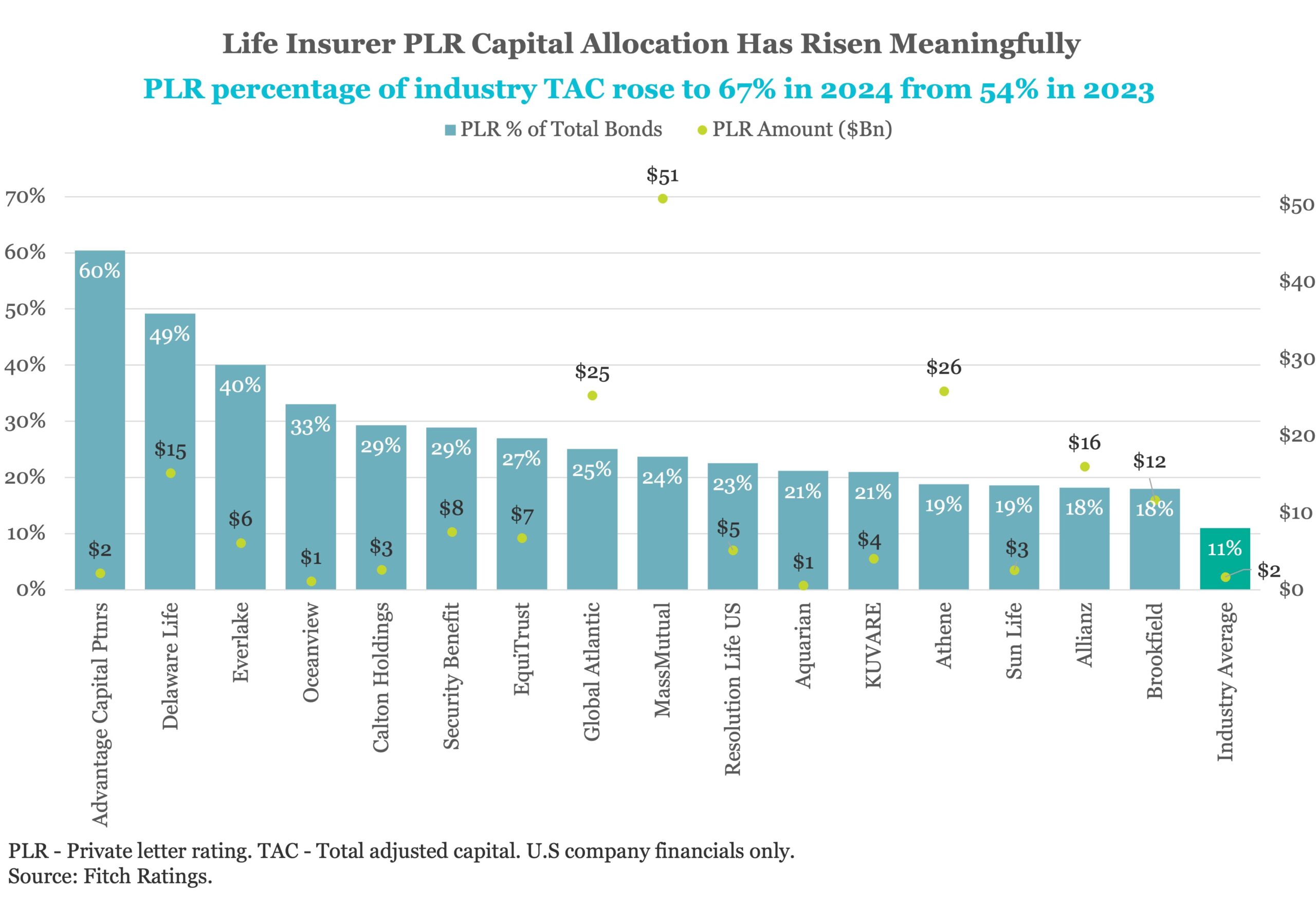
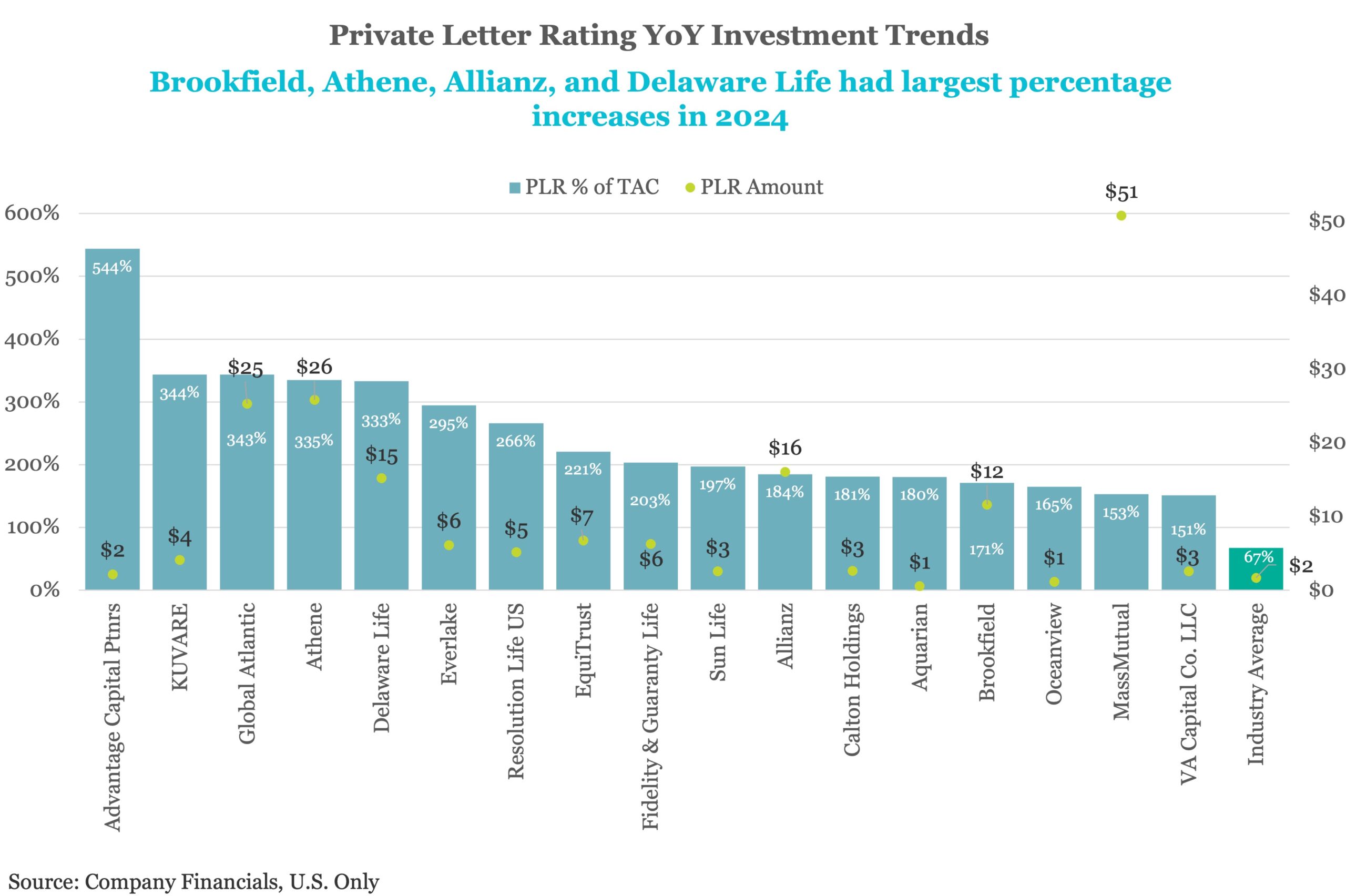
The rapid growth of private letter ratings (PLRs) raises risks for U.S. life insurers as it coincides with the industry’s move toward more complex, opaque investments untested by a macroeconomic downturn. Key watch items include effectiveness of impending regulation, percentage of capital invested in PLR-rated issuers, illiquidity, and valuation methodologies regarding governance, subjectivity, reliability, and transparency.
The National Association of Insurance Commissioners (NAIC) Valuation of Securities Task Force (VOSTF) is implementing tighter controls around PLRs in 2026, including an override ability for ratings that differ from VOSTF’s own analysis by more than three notches, and a new credit rating provider due-diligence framework. A report published by the Bank of International Settlements (BIS) in October found that private ratings tend to be issued among smaller ratings firms, raising the risk of “inflated assessments of creditworthiness,” the BIS said. The impending regulatory controls should improve credit discipline, at the margin, and require certain sub-scale private credit managers to enhance infrastructure and reporting processes which could result in additional investment management agreements with larger investment managers.





Latest news

Rate hike expectations ease as term SOFR curve flattens
The CME six-month Term SOFR rate reached a recent high of 3.979% on July 28 before retreating to 3.837% as…
3Q26: New loan assets rise to 44% of total lending, a 3-year high
New loan assets as a proportion of total US loan volume make up 44% of the 3Q26 pipeline to date,…

North American GPs dominant as fundraising accelerates
Our PEI Private Credit 200 ranking also shows capital raising increasing overall – and accelerating especially fast for the largest…