



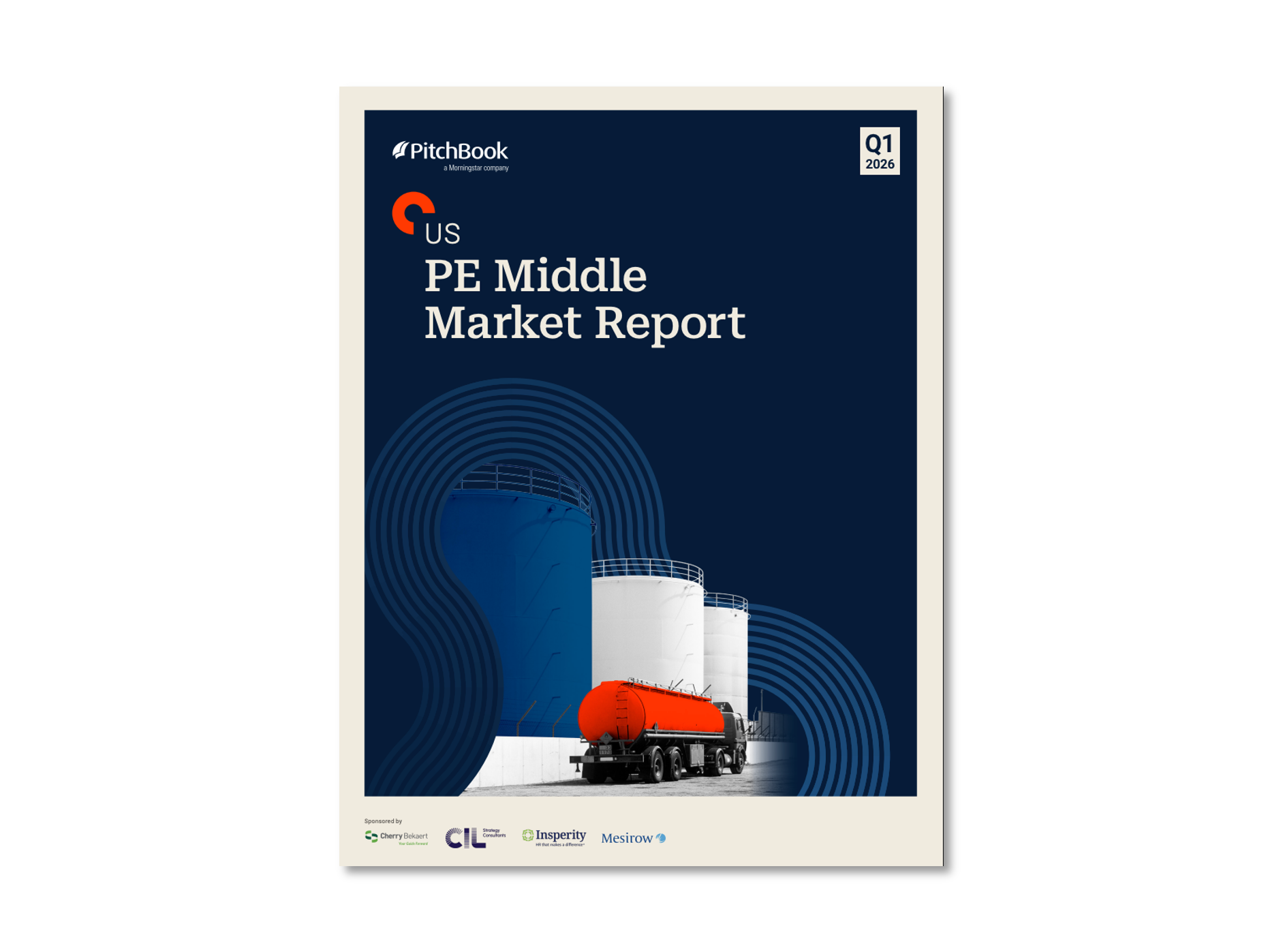
Download PitchBook’s Report here.
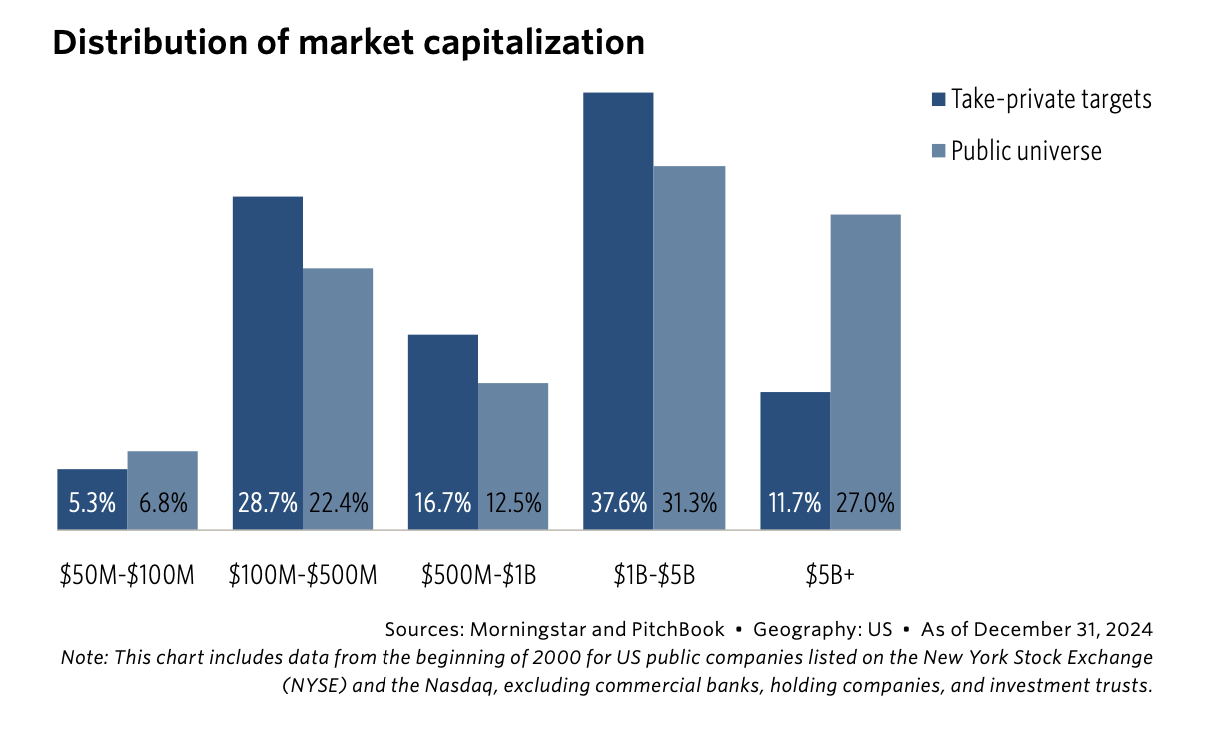
Since the inception of the buyout strategy in the 1980s, buyout managers have maintained a core playbook: At a reasonable price, invest in relatively small, underperforming companies that still generate enough free cash flow (FCF) to service an increased debt burden. Evidence from take-private transactions over the past 30 years confirms this playbook is being used. We found that take-private targets are more likely to be relatively cheap with respect to a variety of equity price ratios despite relatively neutral EBITDA and cash flow margins. Underperformance is apparent in both the trailing one-year stock return of these take-private targets as well as their operating efficiency in terms of revenue generated per employee.
(Past performance is no guarantee of future results.)


Latest news

US Leveraged Loan Launch Activity Moderates in July
The US leveraged loan market has recorded $14.01b of new launches through Wednesday, July 22, following $20.91b of issuance the…

US Direct Lending Spread Per Turn of Leverage Widens
Wider spreads and slightly lower leverage provided lenders with better risk-adjusted pricing across all deal sizes in the second quarter.

Concentrated Effort
Tech deals favored upper end of market, especially in 2021 when software valuations peaked. Source: KBRA DLD Research