



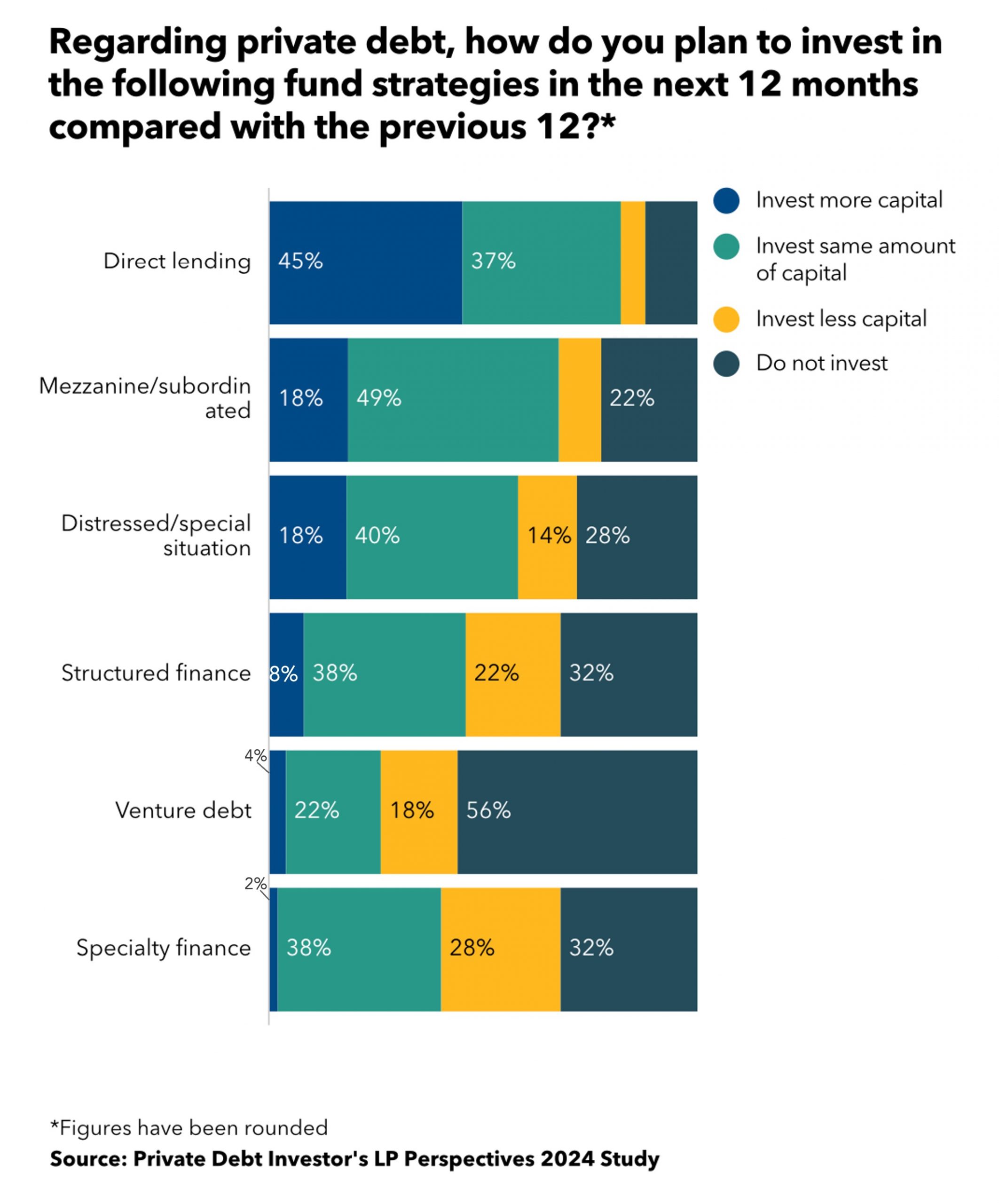
Specialty finance is grabbing the limelight by offering strong returns, downside protection and diversification.
With many investors having reached a level of exposure to direct lending that they are comfortable with, it’s natural that they should then begin casting around for more esoteric opportunities. One area claiming attention is specialty finance: described by investment management giant PIMCO as “the $20 trillion next frontier of private credit”.
In the July/August issue of Private Debt Investor, our Specialty Finance report highlighted a number of key considerations:
Growth potential: The figure referred to by PIMCO above should be enough to raise eyebrows: representing, as it does, a figure four times the size of the US and European leveraged finance and private corporate direct lending markets. Behind the growth lies market dislocation, bringing new opportunities across the capital stack. In commercial real estate, for example, a huge wave of refinancing is predicted for the rest of 2024 and 2025.
Different risk profile: One of the attractions of specialty finance for investors is the diversification it offers with some areas even uncorrelated to the macro-economy, such as insurance-linked securities. Specialty finance also offers less risk premium compression especially in areas such as infrastructure debt, receivables and claims finance, and some areas of mortgage finance.
The attractions of asset-based finance: Arguably no area of investment is attracting more attention currently than asset-based finance, offering diversification to other fixed income exposure with its focus on collateral rather than corporate cash flows. ABF means different things to different people but is broadly defined as the acquisition of portfolios of loans backed by financial or hard assets which often support the real economy.
More limited partner interest: The chart above doesn’t show more investor interest in specialty finance coming through yet – and you may conclude that it’s one of the more neglected areas of the private debt universe. For many LPs it remains a niche strategy: pre-2020, few of them had a specialty finance or asset-based allocation and finding a place for it in their allocation and governance structures has not been easy. But many observers say, with LP interest burgeoning, this is set to change.




Latest news

PE middle-market pooled IRR and TVPI by TEV size bucket
The lower end of the middle market has generated better returns on average and does not come with significantly more left-tail risk


Investors exit retail loan funds in July
Investors in leveraged loans have been pulling money from retail funds in recent weeks, with redemptions outpacing investments by $253.3b…