


Preqin Private Debt Intelligence – 6/13/2016

Investors Planning Larger Allocations to Private Debt Across all Regions
Preqin research into the private debt industry finds that while investors in all regions are currently below their target allocation to the asset class, there is significant fluctuation between regions. Despite private debt in North America and Europe playing a crucial role in fundraising within the industry, investors headquartered in these markets are nonetheless committing a smaller share of their assets under management (AUM) than in Asia and all other regions.
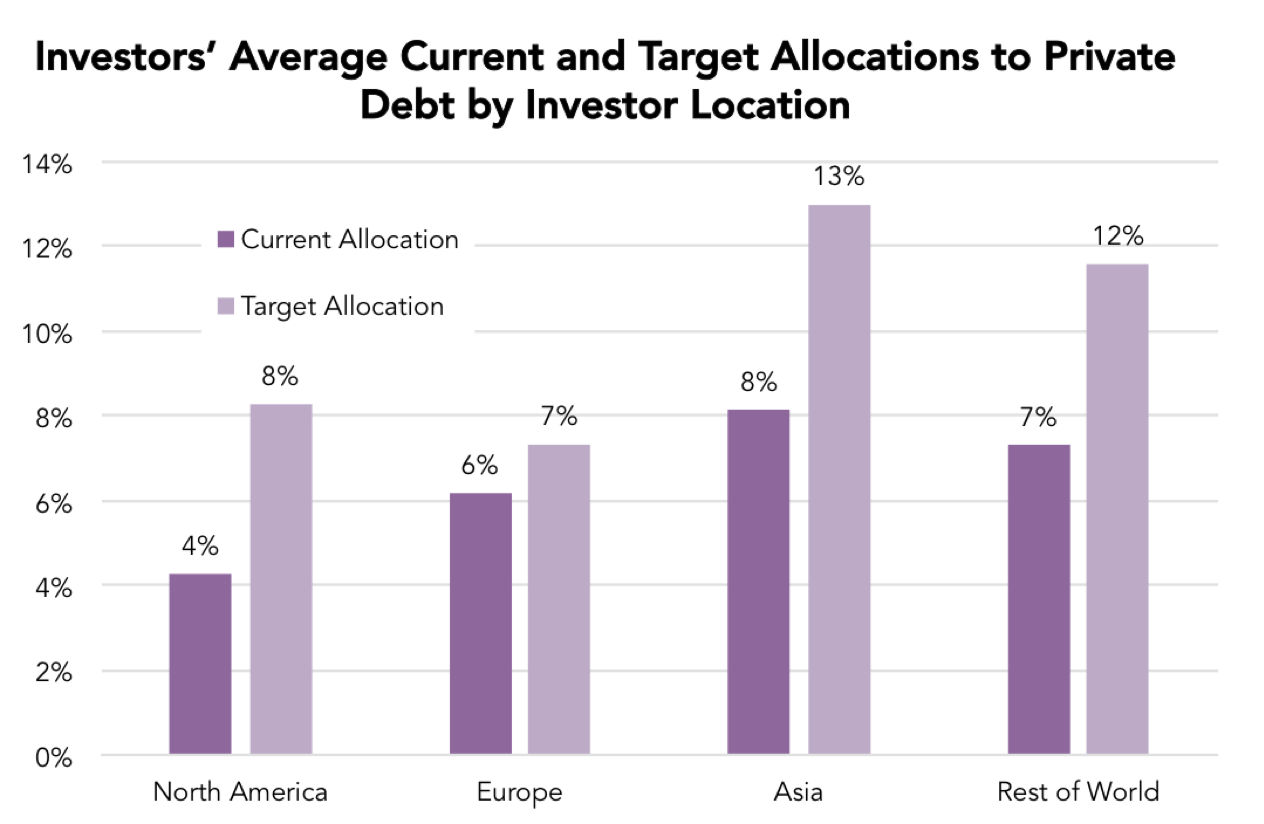
North America-based investors are currently allocating 4% of their AUM to the industry, while investors located in Europe are committing 6% of their AUM to private debt. In contrast, Asia-based investors are allocating 8%, while investors in all other regions are assigning 7% to the asset class; while this is an increased proportion of AUM that is invested, the smaller AUM of these investor locations than more established regions explains the significant gap in fundraising. This is exacerbated by the fact that 89% of Asia-based investors are committing capital to North American and European private debt markets.
However, it appears likely that private debt could soon see growth in Asia and Rest of World with the target allocations of investors based in these regions indicating that they are planning to boost their participation. Investors in Asia intend to raise their allocation to 13% with Rest of World investors looking to increase their proportion of AUM invested in private debt to 12%. Investors in North America are also planning to double their current allocation with a targeted proportion of 8%, however Europe-based investors are planning to increase their allocation by just one percentage point, with a target of 7%, the lowest of any region.
With investors in all regions planning to increase the proportion of their AUM that they allocate to private debt, the industry looks set for further growth. This is particularly true of the growing, albeit less established, markets outside of Europe and North America and it will be interesting to see if the proportion of capital invested in their domestic market is similarly increased.
Contact: Sam Livingstone
sam.livingstone@preqin.com





Latest news


Software, consumer-related direct lending deals fell in H1'26
The software and technology sector, the second-most-active sector in 2025 at 17% of total deal activity, slid to fifth place in the first half of 2026.

Unconquered Territory
With most of the map still unexplored, there’s room for a sequel.