



The property sector suffered well-publicised difficulties in the wake of covid but investor interest is returning.
The real estate debt market has faced a few tumultuous years. The end of the ‘lower-for-longer’ interest rate environment intensified the withdrawal of investors from this corner of the market, which was already wrestling with the impact of the covid-19 lockdowns.
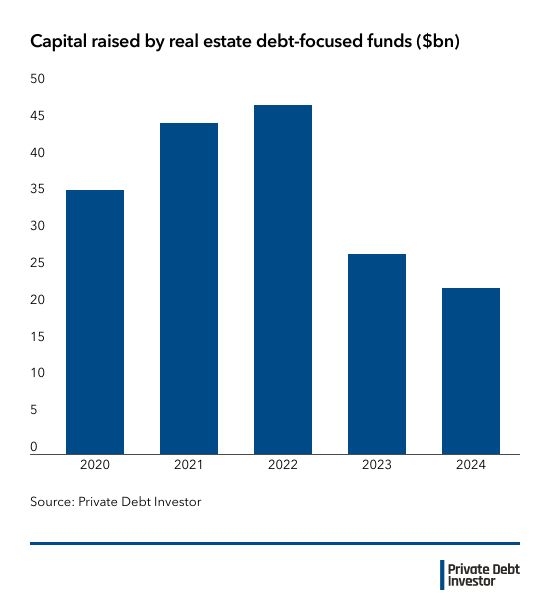
Private Debt Investor figures show that real estate debt-focused funds raised $22.5 billion in 2024, down from $27.2 billion in 2023 and $47.4 billion in 2022 – though the latter was a high point in recent years. In a similar trend, the average size of a real estate debt-focused fund in 2024 was $264.5 million – in 2023 the figure stood at $362.6 million and at $474.5 million in 2022.
However, several areas of the market show bright spots for investors seeking a return to the market, and lenders are preparing to meet this demand accordingly. One example is residential property – increasingly popular among lenders as the debt market proceeds through 2025, in large part driven by the need to house the US and European populations.
Environmental, social and governance requirements are also playing into this dynamic, amid growing pressure from regulators and buyers to see more environmentally friendly and economically viable housing.
According to Leo Wong, partner and head of loan strategy at Waterfall Asset Management, some 80 percent of the US housing market was refinanced in the two years immediately following covid due to low interest rates. He says that around $8 trillion of mortgages originated in that period and, since then, a strong and resilient housing market, driven by undersupply, has driven investment in the space.
In the UK, an ageing population and contracting care sector has highlighted the need for real estate debt funding. According to the UK government, more than 1.42 million UK households will be headed by someone 85 or over by 2037 – a 161 per cent increase over 25 years.
However, lenders will need to have a solid understanding of changing lifestyle habits and demographics to effectively invest in this sector. Not least, lenders would do well to recognise that older people are becoming more selective when it comes to their later living facilities.




Latest news

PE middle-market pooled IRR and TVPI by TEV size bucket
The lower end of the middle market has generated better returns on average and does not come with significantly more left-tail risk


Investors exit retail loan funds in July
Investors in leveraged loans have been pulling money from retail funds in recent weeks, with redemptions outpacing investments by $253.3b…