



Smaller, Non-Systemic U.S. Banks Most Concentrated to Non-Bank Lending
Click here to download report.
- Evolving regulation has shone the spotlight on liability-driven investment strategies, driven by the optimization of technical provisions.
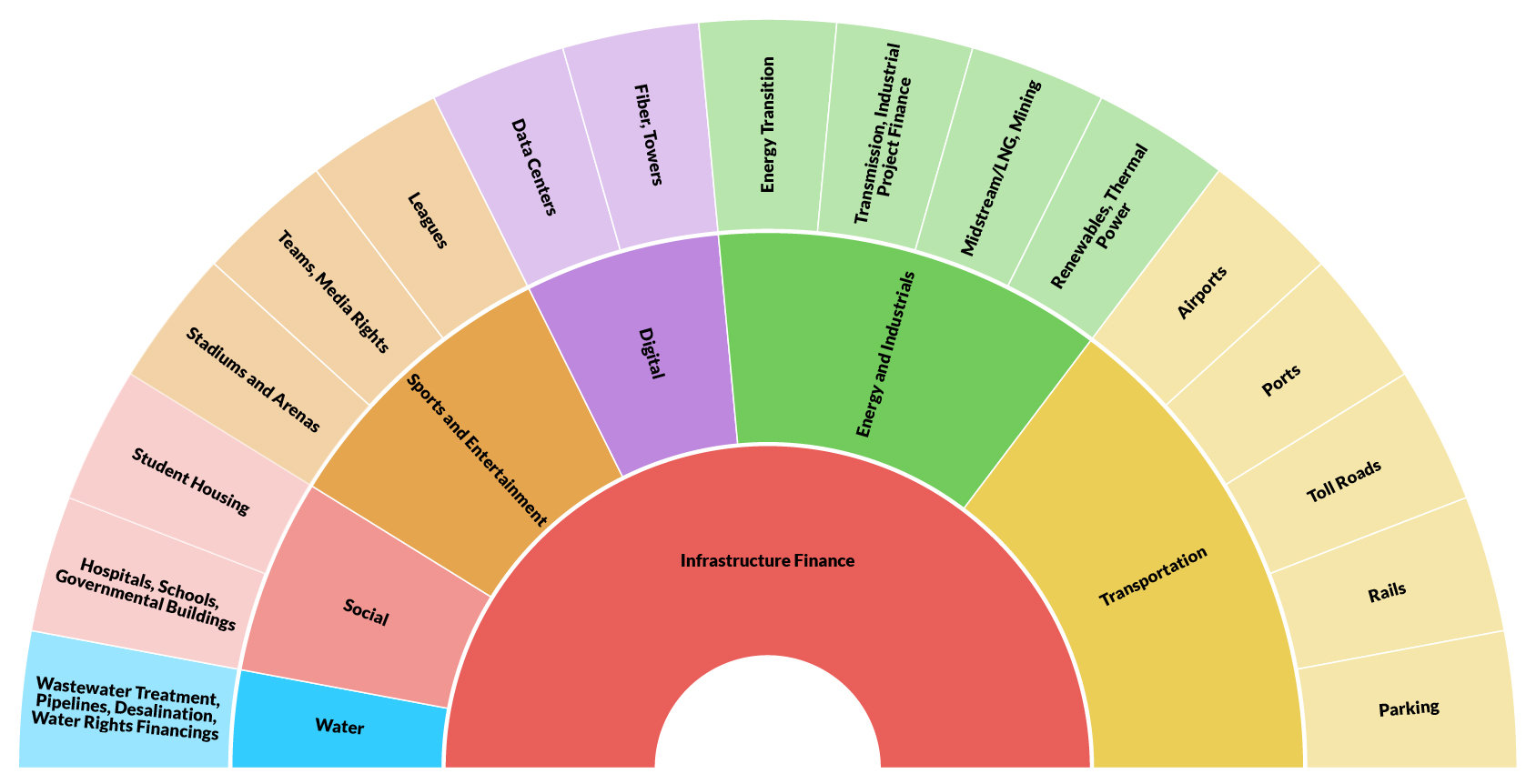
- In the hunt for longer-duration assets to hold as part of such strategies, a growing number of insurance companies are recognizing the benefits of rated infrastructure debt as a capital-efficient asset class, particularly as revised risk-based capital regimes based on the Insurance Capital Standard are implemented.
- Around the world, authorities are also changing their perception of the role of insurers in infrastructure. With an estimated USD15 trillion infrastructure gap to close globally, insurers are viewed as a critical partner, particularly as banks are disincentivized by regulatory changes and fiscally challenged governments reduce their discretionary spending.
- As insurers tap into the benefits of infrastructure debt, ratings can aid risk and capital management, act as a credit benchmark and assessment tool, help reduce technical provisions (e.g. matching adjustment criteria), act as an input to modelling risk parameters, and optimize standardized credit weightings.
Contact Monsur Hussain



Latest news

US Leveraged Loans Return 3.36% to Investors YTD
September 17, 2026
The Bloomberg US Leveraged Loan Index (Ticker: LOAN) returned 0.96% in August and has gained an additional 0.28% through September…

PE dry powder
September 17, 2026
The capital that is being raised is flowing overwhelmingly to the largest, most established managers.

Middle market debt held by BDCs vs High yield vs Treasury yields
September 16, 2026
The blue line represents the current dividend yield of the VanEck BDC Income ETF (BIZD), which stood at 11.7% as…